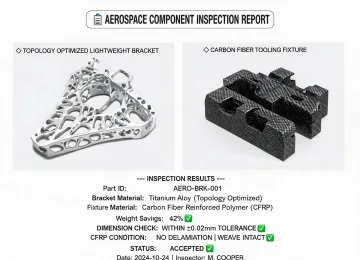
Aerospace
Weight, traceability, vibration, and AS9100D review points.

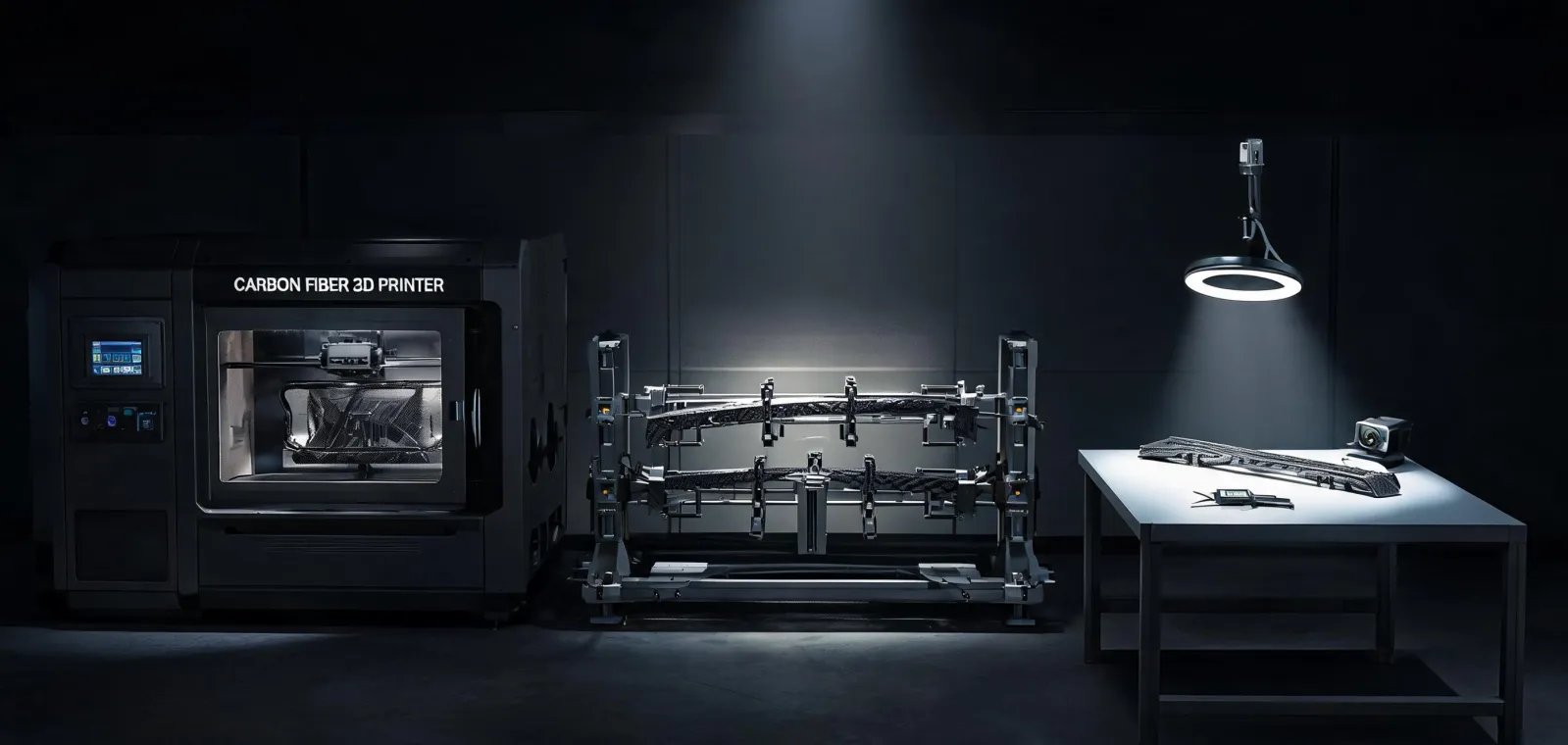
The same carbon fiber printer can be a prototype machine, a tooling asset, or a production liability. These industry notes frame the difference.
Weight, traceability, vibration, and AS9100D review points.
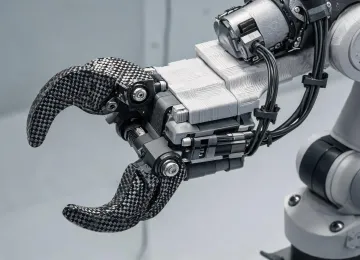
End effectors, nests, lightweight arms, and fast iteration cycles.
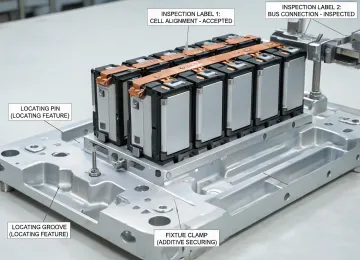
Battery fixtures, low-volume launch tooling, and thermal exposure checks.

Biocompatibility awareness, fixture cleanliness, and controlled records.
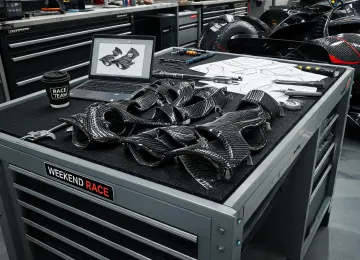
Rapid redesign, heat exposure, and short validation windows.
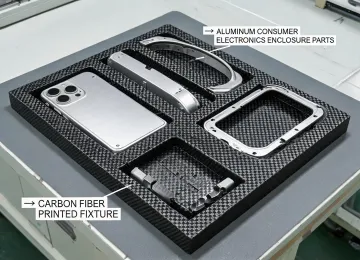
Pilot fixtures, small enclosures, and repeatable assembly aids.
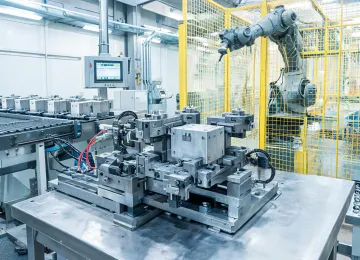
Line-side tools, machine-builder support, and spare fixture planning.
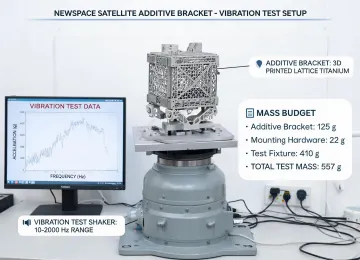
Mass reduction, qualification records, and small-batch flight hardware.
Aerospace may start with traceability, robotics with weight, electronics with takt time, and motorsport with weekend iteration. We document the dominant constraint first so the printer conversation does not drift into feature comparison.
Geometry, material, orientation, post-processing, and inspection access are checked against the actual use environment. If additive is only valuable for tooling, we make that boundary clear before equipment is specified.
Some programs should buy equipment immediately; others should bridge through a qualified partner while the internal cell learns. The route is selected by utilization, evidence needs, and risk of design churn.
The final packet gives procurement, engineering, and quality the same view of assumptions: material, machine class, inspection plan, lead time, backup route, and open risks.
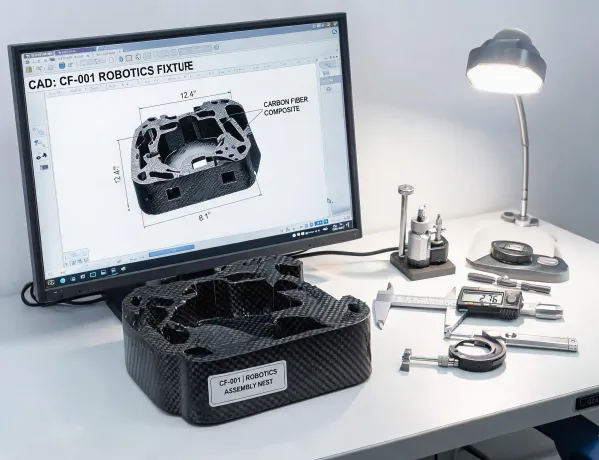
The client had a promising prototype but no repeatable launch cell. Carbon 3d reviewed the geometry, operator workflow, expected pilot volume, and fixture wear points. The final route kept two high-load parts machined, moved five nests into carbon-filled printing, and delayed printer purchase until utilization reached the second pilot build. The program gained a cleaner bridge-production plan without pretending additive should replace every component.
Used when traceability, FAI, and aerospace customer approval affect equipment selection.
Used when fixture cleanliness, records, and medical device risk controls shape process choice.
Used when PPAP, control plans, and repeatability determine whether bridge production is credible.
Used when CAD handling, supplier routing, and communication discipline affect the review.
Share the part function, material target, launch volume, and certification concerns. Carbon 3d will mark the route that deserves deeper sourcing.